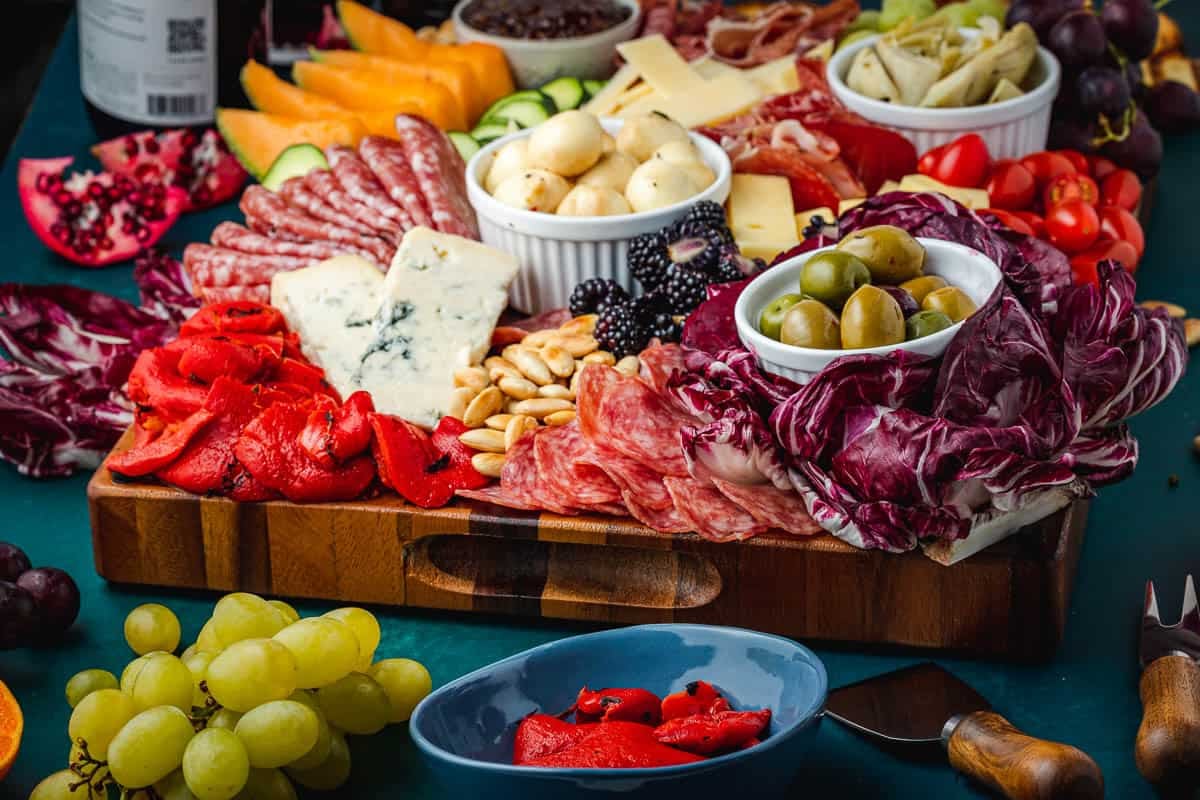
Imagine a spread that effortlessly combines savory meats, tangy cheeses, and crisp vegetables into a vibrant mosaic, delighting every guest without requiring hours in the kitchen. That, in essence, is the magic of an antipasto platter. Far more than just a collection of ingredients, it's a testament to simple elegance, offering an eclectic mix of flavors and textures that tantalize the palate. And the best part? Learning how to make an easy antipasto platter is surprisingly straightforward, proving that you don't need to be a culinary expert to create an impressive, crowd-pleasing appetizer.
Antipasto platters are the ultimate pre-dinner nibble, gathering an array of delightful bites that beg to be shared. From salty cured meats to briny olives and refreshing vegetables, there's truly something for everyone. This guide will walk you through the essential ingredients, offer creative variations, and share practical tips to ensure your next antipasto spread is not only beautiful but also incredibly easy to assemble. Get ready to impress your guests with minimal fuss!
The Art of the Antipasto: Why It's Your Go-To Appetizer
There's nothing quite like the collective gasp of admiration when guests first lay eyes on a thoughtfully arranged antipasto platter. Its visual appeal is undeniable, a kaleidoscope of colors and textures that invites immediate exploration. But beyond aesthetics, the antipasto platter holds a special place in the hearts of both hosts and guests for several compelling reasons.
For the host, an antipasto platter is a dream come true. It’s the quintessential make-ahead dish, allowing you to prepare the components and even assemble the platter well in advance of your gathering. This frees you up to relax, mingle, and genuinely enjoy your own party, rather than being stuck in the kitchen during prime social hours. The beauty of this "no-cook" marvel lies in its simplicity – most ingredients require little more than unwrapping, slicing, or draining. If you're looking for an appetizer that takes the stress out of entertaining, learning how to make an easy antipasto platter is a game-changer. For more tips on effortless entertaining, check out our guide on Easy Antipasto Platter: Impress Guests with No Cooking.
For guests, an antipasto platter offers a delightful journey of discovery. The variety ensures that every palate finds something to love, from the salty tang of cured meats to the creamy richness of cheese and the bright crunch of fresh vegetables. It encourages conversation and interaction as people gather around, sampling different combinations. It's an experience that’s both communal and personal, making it the perfect start to any meal or a standalone centerpiece for casual get-togethers.
Essential Ingredients for Your Easy Antipasto Platter
The foundation of any great antipasto platter lies in a balanced selection of quality ingredients. While the possibilities are vast, a few core elements ensure that delightful mix of savory, salty, tangy, and fresh flavors. Here’s a breakdown of the staples and how they contribute to the overall experience:
- Savory Meats: Cured meats are non-negotiable for their bold flavor and irresistible texture. Sliced pepperoni offers a spicy kick, while prosciutto provides a delicate, salty sweetness. Consider adding other Italian favorites like salami (soppressata or Genoa), mortadella, or capicola for variety.
- Tangy Cheeses: Cheese adds creamy texture and balances the saltiness of the meats. Cubes of provolone offer a mild, sharp contrast, but don't stop there. Fresh mozzarella balls (bocconcini), perhaps marinated in herbs and olive oil, add a lovely tenderness. For a more sophisticated touch, include a wedge of Parmigiano Reggiano for grating or chunks, or even a soft goat cheese. The key is to offer different textures and flavor profiles.
- Crisp Vegetables: Fresh vegetables bring vital crunch, color, and a refreshing element. Cherry tomatoes burst with juicy sweetness, balancing richer flavors. Fresh mushrooms offer a tender, earthy bite. Beyond these, consider cucumber slices, bell pepper strips, or even blanched asparagus.
- Briny & Pickled Delights: These ingredients provide a burst of acidity and a complex flavor dimension. Ripe olives, with their briny punch, are a must. Pepperoncini peppers add a mild, tangy heat that cuts through the richness of meats and cheeses. Marinated artichoke hearts, roasted red peppers, or even a mixed giardiniera can elevate the platter further, adding a delightful pickled zest.
- Hearty Legumes: Garbanzo beans (chickpeas) are an unexpected but welcome addition, lending an earthy flavor and hearty texture. They’re excellent at soaking up dressings, becoming flavor bombs themselves.
- The Unifying Element: Italian Vinaigrette Dressing: A good vinaigrette is crucial for tying all these diverse elements together. It provides a zesty, herbaceous coating that brightens and enhances every bite. Whether you use your favorite bottled brand or a simple homemade concoction of olive oil, vinegar, and herbs, don't skip this step.
- Fresh Base: While optional, lettuce leaves create a beautiful, crisp base for serving, visually elevating the platter and adding another layer of freshness.
When selecting your ingredients, think about contrasting colors, textures, and flavors to create a dynamic and appealing spread. The beauty of antipasto is its flexibility – feel free to mix and match according to your preferences and what’s in season!
Step-by-Step Guide: How to Assemble a Stunning Antipasto Platter
Assembling an antipasto platter is less about precise cooking and more about artful arrangement and combining complementary flavors. Here’s a simple process for how to make an easy antipasto platter that looks professionally curated yet requires minimal effort.
Step 1: Prepare Your Ingredients
Begin by preparing each component. Drain all pickled and marinated items thoroughly (pepperoncini, olives, artichoke hearts) to prevent excess liquid from making your platter soggy. Rinse garbanzo beans. Halve your cherry tomatoes and fresh mushrooms. Cube your provolone cheese and slice any other cheeses or meats that aren't pre-cut. Ensure all ingredients are bite-sized for easy snacking. This preparation step can be done hours in advance, keeping items separate in airtight containers in the refrigerator.
Step 2: Combine and Dress the Core Mixture
In a large mixing bowl, gently combine the drained pepperoncini, rinsed garbanzo beans, halved fresh mushrooms, halved cherry tomatoes, cubed provolone cheese, drained ripe olives, and sliced pepperoni. This initial mix allows the flavors to start melding. Pour your Italian vinaigrette dressing over the mixture, ensuring every ingredient is lightly coated. Toss gently to avoid bruising delicate items.
Step 3: Allow Flavors to Meld
Cover the bowl with plastic wrap or a beeswax wrap and refrigerate for at least 30 minutes. Ideally, for the best flavor infusion, let it chill for a few hours or even overnight. This crucial step allows the dressing to permeate the ingredients, deepening and harmonizing the overall taste profile.
Step 4: Arrange Your Platter with Flair
When you're ready to serve, choose a large platter, cutting board, or shallow bowl. Line it with fresh lettuce leaves for a vibrant base, if desired. Now comes the fun part: arranging! Instead of simply dumping the mixture, spoon it onto the platter, spreading it out to create an inviting visual. For optimal presentation, consider adding extra fresh ingredients around the perimeter, or serving some elements separately in small bowls (like more olives or fresh mozzarella). Clump similar items together, but also think about creating pathways and visual interest with contrasting colors and textures. Don't worry about perfection; a slightly rustic, abundant look is part of its charm. For more inspiration on beautiful arrangements, read our article How to Build the Best Antipasto Platter Effortlessly.
Step 5: Serve and Enjoy
Present your magnificent antipasto platter with toothpicks for easy snacking. Allow cheeses to come to room temperature for about 15-20 minutes before serving to enhance their flavor and texture. Watch as your guests marvel at your effortless culinary creation!
Elevate Your Spread: Creative Antipasto Platter Variations
Once you’ve mastered the basics of how to make an easy antipasto platter, you’ll discover that its versatility is one of its greatest strengths. The concept is highly adaptable, allowing you to tailor your spread to different occasions, dietary needs, or simply to explore new flavor combinations.
Turn It into an Antipasto Salad
One popular variation is to transform your antipasto mixture into a hearty salad. Simply toss the prepared antipasto blend with a few cups of fresh, crisp chopped romaine lettuce, mixed greens, or peppery arugula. Add extra dressing and a generous grinding of fresh black pepper for an instant main course or a more substantial side. This is an excellent way to use up any leftovers as well!
Add Marinated Artichokes
Elevate the platter with a jar of drained, marinated artichoke hearts. Their tangy, slightly bitter flavor and tender texture add another layer of complexity that complements the existing ingredients beautifully. You can also find marinated mushrooms or roasted bell peppers, which offer similar benefits.
Include Crusty Breads and Crackers
No Italian-inspired spread is complete without something to soak up all those delicious flavors. Arrange an assortment of crusty bread slices, breadsticks (grissini), or gourmet crackers around your platter. Consider a sliced baguette, focaccia wedges, or even a selection of seeded crackers for varying textures.
Incorporate Dips and Spreads
For an extra touch, add small bowls of complementary dips. A rich olive tapenade, a vibrant pesto, a creamy hummus, or even a simple balsamic glaze can offer a new dimension of flavor and serve as a dipping element for vegetables and bread.
Seasonal and Thematic Platters
Get creative with seasonal ingredients. In summer, lean into fresh berries, melon wrapped in prosciutto, and grilled vegetables. In fall, consider roasted root vegetables, figs, or apples with stronger cheeses. You can also build thematic platters – a "Mediterranean" antipasto with feta, sun-dried tomatoes, and cucumbers, or a "Spicy" version with Calabrian chilies and spicy salami.
Sweet & Savory Combos
Don't shy away from a touch of sweetness. A drizzle of honey over a block of Parmigiano Reggiano or a scattering of fresh grapes can offer a lovely contrast to the savory and salty elements, creating a truly dynamic flavor profile.
The beauty of the antipasto platter is that there are no strict rules. Experiment, have fun, and let your culinary imagination guide you!
Conclusion
The antipasto platter stands as a testament to the power of simple, high-quality ingredients artfully combined. It's a culinary chameleon – an effortless appetizer, a vibrant side dish, or even a light main course – that consistently delivers on flavor and visual appeal. With its inherent flexibility and the sheer joy it brings to any gathering, it's easy to see why it remains a beloved choice for hosts worldwide.
By following this guide, you now have all the tools and inspiration you need to confidently answer the question of how to make an easy antipasto platter that will undoubtedly impress your guests. Remember to focus on a variety of flavors and textures, don't be afraid to experiment with different ingredients, and most importantly, allow yourself to enjoy the process. So, gather your favorite cured meats, cheeses, and pickled delights, and get ready to create an unforgettable spread that celebrates the simple pleasures of good food and great company.
