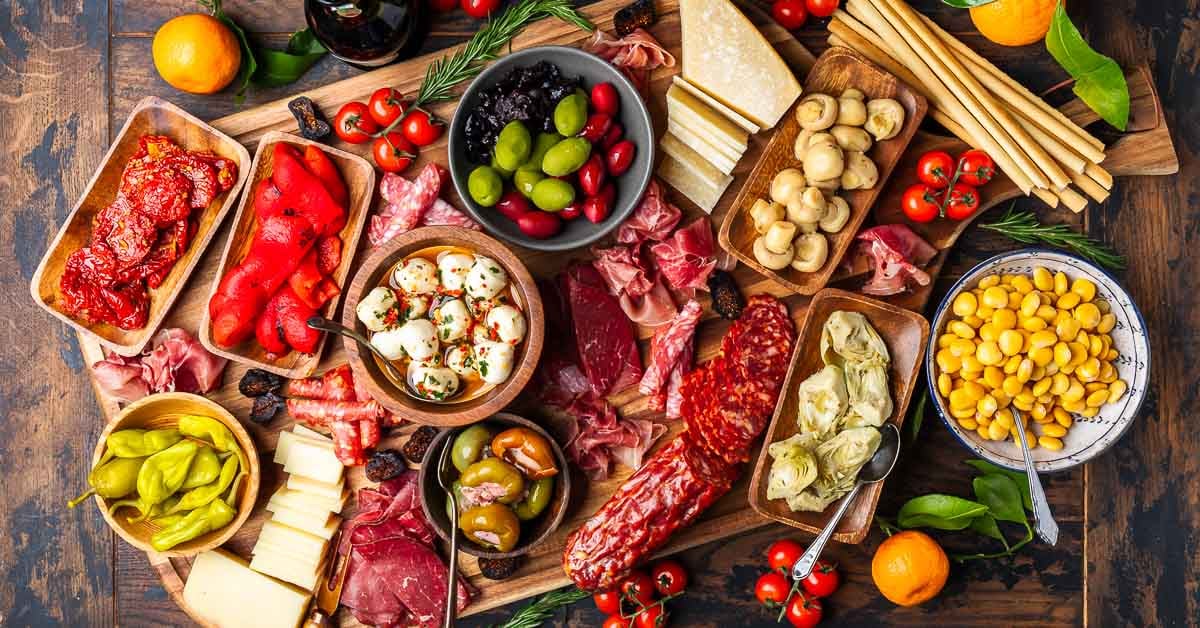
The Art of Effortless Entertaining: How to Build the Best Antipasto Platter
Imagine hosting a gathering where the appetizer practically prepares itself, yet looks like a culinary masterpiece. That's the magic of an antipasto platter! A bold, vibrant, and utterly delicious spread, an antipasto platter is the ultimate pre-dinner nibble, gathering an eclectic mix of tangy, salty, and savory delights in one glorious assortment. And the best part? You don't need formal culinary training or even an oven to pull this off. It's truly a no-cook wonder that begs to be shared and practically assembles itself. If you're wondering how to make an easy antipasto platter that will impress every guest, you've come to the right place.
This crowd-pleasing appetizer is a surefire hit, satisfying even those who claim to dislike certain ingredients but secretly sneak a few when no one's looking. Its beauty lies in its versatility and the stunning visual appeal of fresh, colorful ingredients artfully arranged. Plus, since it’s largely made ahead of time, it allows hosts to relax, engage with their guests, and truly enjoy the occasion.
The Allure of an Easy Antipasto Platter: Why It's a Host's Best Friend
In the realm of entertaining, few dishes offer the perfect trifecta of simplicity, elegance, and universal appeal quite like an antipasto platter. Its effortless charm makes it an invaluable asset for any host. Consider these compelling reasons why mastering how to make an easy antipasto platter should be in every entertainer's repertoire:
- No Cooking Required: This is perhaps the biggest draw. Skip the hot stove and oven. Almost all components come ready-to-eat, requiring only basic preparation like draining, rinsing, or light chopping. This frees up your kitchen for main courses or allows you to focus on other hosting duties.
- Make-Ahead Marvel: Many antipasto platters actually benefit from sitting for a short while, allowing flavors to meld beautifully. Prepare your mixture hours, or even overnight, before your event, then simply arrange and serve when guests arrive. This aspect is gold for stress-free entertaining.
- Visually Stunning: The vibrant array of colors, textures, and shapes instantly creates an inviting focal point. A well-arranged antipasto platter is a feast for the eyes before it even touches the palate, conveying an impression of thoughtful effort without the actual fuss.
- Catters to All Tastes: With a diverse selection of meats, cheeses, vegetables, and more, there’s truly something for everyone. Guests can pick and choose their favorites, ensuring dietary preferences or restrictions are easily accommodated.
- Conversation Starter: A beautiful spread naturally draws people together. Guests will gravitate towards the platter, discussing their favorite components and sharing bites, fostering a lively and friendly atmosphere.
For more inspiration on creating a stunning spread without any cooking, check out our guide on Easy Antipasto Platter: Impress Guests with No Cooking.
Essential Ingredients for Your Signature Antipasto Platter
The foundation of a truly magnificent antipasto platter lies in selecting a diverse and high-quality array of ingredients. The goal is to create a symphony of flavors and textures—tangy, salty, savory, sweet, crunchy, creamy, and tender. Here's a breakdown of the key components, along with ideas for expanding your selection:
Savory Meats & Cheeses
- Sliced Pepperoni: A classic for a reason, pepperoni brings a bold, spicy kick and a rich, savory depth. For variety, consider other Italian cured meats like thin slices of prosciutto, Genoa salami, hot or sweet soppressata, or coppa.
- Provolone Cheese: Cubes of provolone offer a creamy texture and a sharp, slightly nutty flavor that beautifully contrasts with crunchy vegetables and robust meats. To elevate your cheese selection, aim for at least three types with varying textures and flavors. Include a firm, salty cheese like Parmigiano Reggiano or Pecorino Romano, a softer, fresh cheese like marinated fresh mozzarella balls (bocconcini), and perhaps a semi-firm option like fontina or mild cheddar for broader appeal.
Tangy & Crisp Vegetables
- Pepperoncini: These mildly spicy, tangy peppers are crucial. Their bright acidity cuts through the richness of the meats and cheeses, providing a refreshing burst of flavor.
- Garbanzo Beans (Chickpeas): Don't underestimate these humble legumes. Rinsed and drained, they lend a hearty texture and earthy flavor, acting like sponges to soak up the zesty vinaigrette.
- Fresh Mushrooms: Halved or quartered fresh mushrooms contribute a tender bite and a subtle umami note, enhancing the overall savory profile of the platter.
- Cherry Tomatoes: Their bright, juicy sweetness offers a delightful counterpoint to the saltier elements like pepperoni and olives, while adding a pop of color.
- Ripe Olives: Black or green, pitted or unpitted, olives deliver that essential briny, salty punch that complements almost every other flavor on the platter. Consider a mix of varieties like Kalamata, Castelvetrano, or a marinated olive medley.
- Additional Stars: Elevate your platter further with marinated artichoke hearts (drained well), roasted red peppers (jarred or homemade), sun-dried tomatoes (oil-packed), pickled onions, or even some crisp cucumber slices.
The Unifying Element: A Zesty Vinaigrette
The dressing is not just an afterthought; it's the magical ingredient that ties all the diverse components together. An Italian vinaigrette dressing provides a zesty, herbaceous coating that enhances and melds every flavor. You can use your favorite bottled brand for ultimate convenience, or whip up a simple homemade version with olive oil, red wine vinegar, garlic, oregano, salt, and pepper.
The Perfect Base and Beyond
- Lettuce Leaves: Crisp lettuce leaves (romaine, butter, or mixed greens) create a fresh, vibrant base for serving your antipasto mixture. They add visual appeal and a pleasant crunch.
- Accompaniments: While the mixture itself is satisfying, consider adding a side of crusty Italian bread, artisanal crackers, or grissini (breadsticks) for scooping and textural contrast.
For an even deeper dive into ingredient choices and creative variations, explore our Antipasto Platter Guide: Essential Ingredients & Variations.
Step-by-Step Guide: How to Make an Easy Antipasto Platter
Creating this impressive appetizer is surprisingly straightforward. Follow these simple steps to master how to make an easy antipasto platter:
Step 1: Prepare Your Ingredients
Efficiency starts with preparation. Begin by draining any brined ingredients like pepperoncini, olives, and marinated artichokes. Rinse garbanzo beans thoroughly. Halve cherry tomatoes and fresh mushrooms. Cube your provolone cheese and any other firm cheeses. Slice pepperoni if it's not pre-sliced. The goal is to have bite-sized pieces that are easy to pick up and enjoy.
Step 2: Combine and Marinate
In a large mixing bowl, gently combine all your prepared ingredients: the drained pepperoncini, rinsed garbanzo beans, halved fresh mushrooms, halved cherry tomatoes, cubed provolone cheese, drained ripe olives, and sliced pepperoni. Once everything is in the bowl, pour your Italian vinaigrette dressing generously over the mixture. Toss everything together gently but thoroughly, ensuring each ingredient is evenly coated with the dressing. This is where the magic truly begins as the flavors start to intermingle.
Step 3: Chill for Flavor Fusion
This step is crucial for developing the full flavor profile of your antipasto platter. Cover the bowl with plastic wrap or a beeswax wrap and refrigerate for at least 30 minutes. Ideally, for the best flavor melding, let it chill for several hours or even overnight. This allows the ingredients to marinate in the vinaigrette, absorbing its zesty goodness and allowing the distinct flavors to harmonize into a cohesive, delicious whole.
Step 4: Arrange and Serve with Style
When you're ready to serve, take your marinated antipasto mixture from the refrigerator. Line a large platter or serving board with fresh lettuce leaves – this adds a vibrant pop of green and a crisp base. Spoon the antipasto mixture artistically over the lettuce. Don't just dump it; try to spread it out so all the colorful ingredients are visible. Arrange any additional items like crusty bread, crackers, or extra cheese around the main mixture. Provide toothpicks or small serving tongs for easy snacking. Stand back and admire your beautiful, effortlessly created masterpiece!
Elevating Your Antipasto Platter: Tips, Tricks, and Creative Variations
While the basic recipe for how to make an easy antipasto platter is simple, there are endless ways to customize and enhance it to suit your taste, occasion, and even the season.
Presentation Secrets
Remember, you don’t need to be a food stylist to create a stunning board. The key is variety and abundance. Use different sized bowls or ramekins for olives or smaller ingredients to add dimension. Alternate colors and textures; place a stack of red pepperoni next to some white provolone cubes, then a scattering of green olives. Don't be afraid to overlap items slightly to create a generous, inviting look. Garnish with a sprinkle of fresh parsley or basil right before serving for an extra touch of freshness and color.
Flavor Harmony and Balance
When selecting ingredients, think about balancing the core flavor profiles: salty (olives, cured meats), tangy/acidic (pepperoncini, vinaigrette, artichokes), savory (meats, mushrooms), and a touch of sweetness (cherry tomatoes). This thoughtful balance is what makes each bite so satisfying.
Seasonal Additions
Embrace the seasons! In the summer, add fresh figs, melon wedges wrapped in prosciutto, or grilled zucchini ribbons. In the fall, consider roasted butternut squash cubes, spiced nuts, or apple slices. Seasonal produce can add unique twists and keep your platter feeling fresh and exciting.
Transforming Your Platter: Antipasto Salad
One fantastic variation is to turn your antipasto mixture into a hearty salad. Simply toss the prepared and marinated antipasto mixture with a few cups of crisp chopped romaine lettuce, mixed greens, or arugula. Drizzle with extra Italian dressing and a generous grind of freshly cracked black pepper for a complete, satisfying meal or a more substantial side dish.
Pairing Suggestions
An antipasto platter pairs beautifully with a range of beverages. For wine, a crisp, dry white like Pinot Grigio or Sauvignon Blanc complements the tangy elements, while a light-bodied red such as a Chianti or Barbera can stand up to the cured meats. For non-alcoholic options, sparkling water with lemon or a refreshing iced tea works wonderfully.
Conclusion
Building the best antipasto platter doesn't have to be a daunting task. By focusing on fresh, flavorful ingredients, a zesty vinaigrette, and a simple make-ahead process, you can create an effortlessly elegant appetizer that will delight your guests. From casual get-togethers to more formal affairs, this versatile dish proves that incredible flavor and stunning presentation can indeed come with minimal effort. So go ahead, gather your ingredients, follow these steps, and prepare to impress with your very own homemade antipasto masterpiece!
